The Set Up: Capturing wildlife with the Nikon Z5II and Cam Whitnall

Step into the wild with Cam Whitnall as he photographs red deer using the Nikon Z5II for this episode of The Set Up
Beneath a veil of fine, autumnal rain, TV wildlife presenter, photographer and filmmaker Cam Whitnall moves chest deep through purple moor grass, navigating bracken and brambles as he closes in on a herd of red deer in a secluded pocket of the New Forest. In this episode of The Set Up, the conservationist explores how the Nikon Z5II copes with capturing skittish wildlife in wet weather. “It was probably the most challenging deer encounter I’ve had,” he laughs. “But there was a moment in the tall marsh grasses, as we were trying not to fall into muddy water again, when I managed to get closer and capture a really calm portrait. The stag looked so peaceful, and then just looked straight at me.

Z5II + NIKKOR Z 400mm f/2.8 TC VR S. Left: 1/800 secs, f/4.5, ISO 1000. Middle: 1/1000 secs, f/3.2, ISO 1250. Right: 1/1000 secs, f/3.2, ISO 1250, ©Cam Whitnall


“I’m very conscious of not overcomplicating things. For me, behaviour always comes first. If the moment isn’t genuine, it doesn’t matter how ‘nice’ the image looks. Once I know I’m seeing something natural, I start thinking about composition and connection, things like eye contact, where the animal is looking and how close that moment feels. That sense of connection is what really pulls people into an image.”
Having studied at university in Bournemouth, Cam knows the nearby New Forest well, and was drawn to its sense of wildness as well as its familiarity for this project. “It’s one of those places in the UK where you can still experience genuinely wild animals in a really beautiful landscape,” he says. “Red deer are such an iconic UK species, and I’ve had some really special encounters with them in the past, so they felt like the right subject for this assignment. It wasn’t about going somewhere exotic, it was about showing how special the wildlife we have right on our doorstep can be.”
While the location and subject were perfect choices, the weather proved less ideal, delivering muted, low-contrast light. But, ever the pro, Cam saw it as an opportunity rather than a limitation. “It was pretty flat, with almost a purply hue in the air, but those conditions push you to look harder for subtle moments, expressions and compositions rather than relying on dramatic light,” he says. “Wildlife is unpredictable, especially in UK conditions, and the Nikon Z5II felt reliable rather than flashy. The autofocus was solid even in low-contrast, dull light, which meant I could trust it to keep up and focus more on what the deer were doing rather than worrying about the camera.”


Just as important, Cam highlights how handling and ergonomics play a crucial role during long, physically demanding periods in the field. “When you’re standing around for hours, often not moving much, having a lightweight camera helps and the Z5II is light!” he enthuses. “It also feels straightforward and familiar, and the flip screen really helped when framing vertically. It meant I wasn’t thinking about the camera, I was thinking about the deer, which is exactly where my attention needs to be when moments happen quickly.”
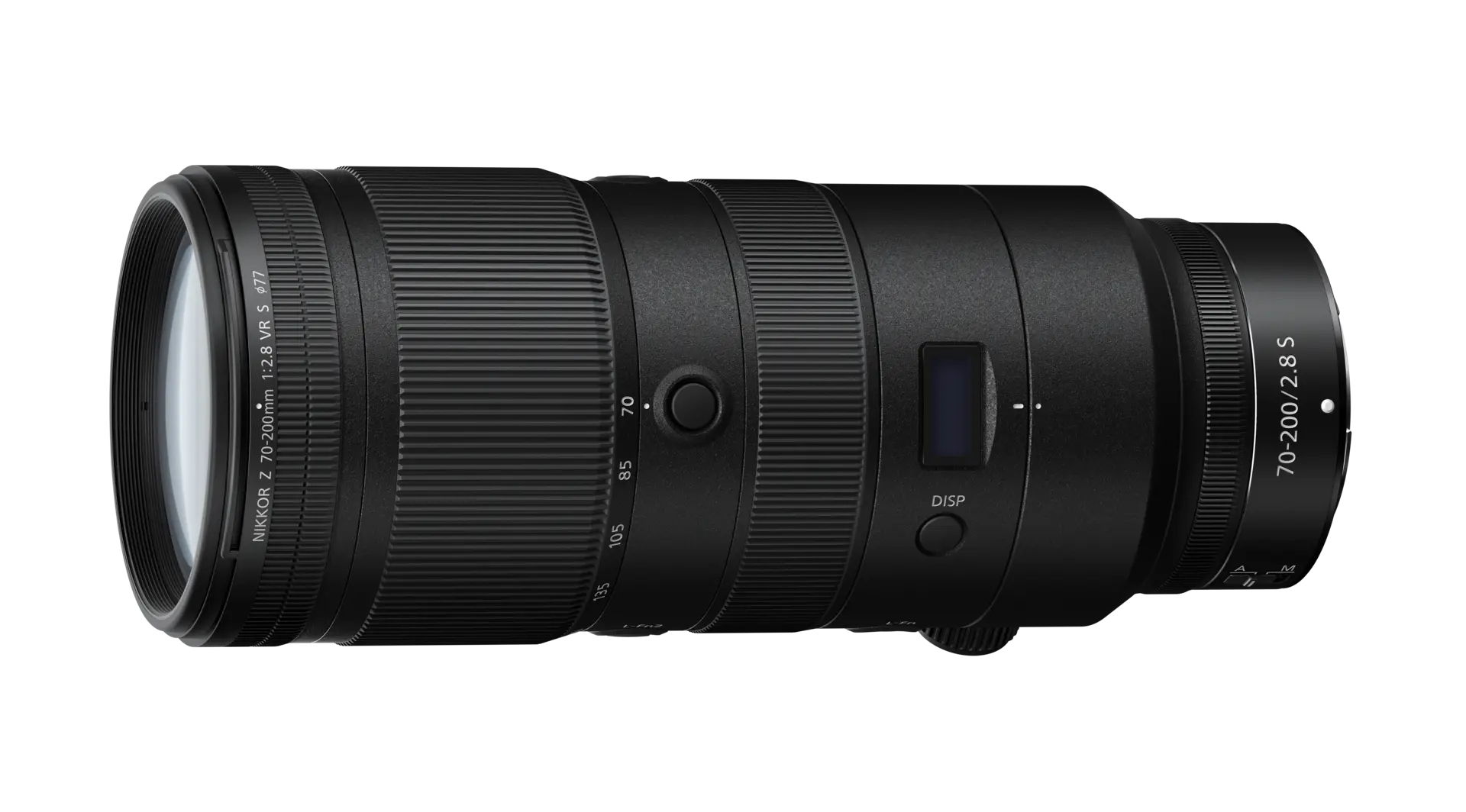
Longer lenses were essential for this project, both for animal welfare and storytelling, with Cam pairing the Nikon Z5II with a rotating selection that included: the NIKKOR Z 135mm f/1.8 S Plena, the NIKKOR Z 400mm f/4.5 VR S, the NIKKOR Z 70-200mm f/2.8 VR S and the NIKKOR Z 100-400mm f/4.5-5.6 VR S. “These lenses let me keep my distance while still filling the frame and compressing the background,” he says. “In woodland environments, that compression really helps simplify messy scenes and keep attention on the animal.”
Offering some advice for aspiring wildlife photographers, Cam says success in this field isn’t about chasing moments, but about restraint, preparation and observation: “A lot of it comes down to patience and knowing when to move and when not to move. I walk slowly, stay low, and keep my distance. I’ve learned over time to adapt and work with what’s there rather than forcing a situation. If you move too fast or push too hard, the moment’s gone.


“That’s why it’s so important to set yourself up with a camera that works with you. I usually work in manual, sometimes with Auto ISO, so I’m controlling motion and depth of field while letting the camera adapt to changing light. That way I’m not constantly checking settings and can stay focused on behaviour and timing. That preparation carries through into how you capture the subject. The Nikon Z5II’s custom controls make a big difference, as being able to switch focus modes or adjust exposure quickly without diving into menus keeps you present. If your settings are dialled in, you don’t need to think about them, which means spending more time watching body language, ears, posture, movement, because wildlife usually tells you what’s about to happen if you’re paying attention. If you focus on behaviour and storytelling, the images will come, and they’ll mean more when they do.”
Episode 3: The Set Up with Cam Whitnall
Click the button to play

Featured products

'%3e %3ccircle cx='453' cy='453' r='263' fill='%23FFDD00'/%3e %3c/g%3e %3cdefs%3e %3cfilter id='filter0_df_5839_100698' x='0' y='0' width='906' height='906' filterUnits='userSpaceOnUse' color-interpolation-filters='sRGB'%3e %3cfeFlood flood-opacity='0' result='BackgroundImageFix'/%3e %3cfeColorMatrix in='SourceAlpha' type='matrix' values='0 0 0 0 0 0 0 0 0 0 0 0 0 0 0 0 0 0 127 0' result='hardAlpha'/%3e %3cfeOffset dy='1.66516'/%3e %3cfeGaussianBlur stdDeviation='0.832579'/%3e %3cfeComposite in2='hardAlpha' operator='out'/%3e %3cfeColorMatrix type='matrix' values='0 0 0 0 0 0 0 0 0 0 0 0 0 0 0 0 0 0 0.25 0'/%3e %3cfeBlend mode='normal' in2='BackgroundImageFix' result='effect1_dropShadow_5839_100698'/%3e %3cfeBlend mode='normal' in='SourceGraphic' in2='effect1_dropShadow_5839_100698' result='shape'/%3e %3cfeGaussianBlur stdDeviation='95' result='effect2_foregroundBlur_5839_100698'/%3e %3c/filter%3e %3c/defs%3e %3c/svg%3e)

Lenses
NIKKOR Z 100-400mm f/4.5-5.6 VR S
w tym VAT + Bezpłatna wysyłka


Discover the Nikon Z5II


Unlock greater creativity